Stop Wasting Money on High-Maintenance Landscapes: 5 Sustainable Solutions That Work Year-Round in Ohio
Are you tired of spending thousands of dollars every year just to keep your landscape looking decent? Between constant watering, fertilizing, replanting, and pest control, traditional landscaping approaches can drain your budget faster than Ohio's unpredictable weather can kill your plants.
The problem isn't your commitment to having a beautiful outdoor space: it's the approach. High-maintenance landscapes fight against Ohio's natural climate patterns instead of working with them. This creates an expensive cycle of constant intervention, replacement, and resource consumption that benefits no one except the companies selling you products and services you shouldn't need.
The solution lies in sustainable landscaping strategies that actually reduce your long-term costs while improving your property's environmental performance. These aren't trendy concepts that sound good in theory: they're proven methods that Ohio property owners use to cut maintenance expenses by 40-60% while creating more resilient, attractive landscapes.
1. Native Plant Design: Let Ohio's Natural Ecosystem Work for You
Ohio's native plants evolved over thousands of years to thrive in our specific climate conditions. When you choose native species over exotic imports, you're essentially hiring pre-trained employees instead of constantly training new ones.
Native perennials return year after year without replanting, eliminating the annual flower budget that can easily reach $500-1,500 per property. Plants like Purple Coneflower, Black-Eyed Susan, and Wild Bergamot establish deep root systems that access groundwater naturally, reducing your irrigation needs by up to 50%.
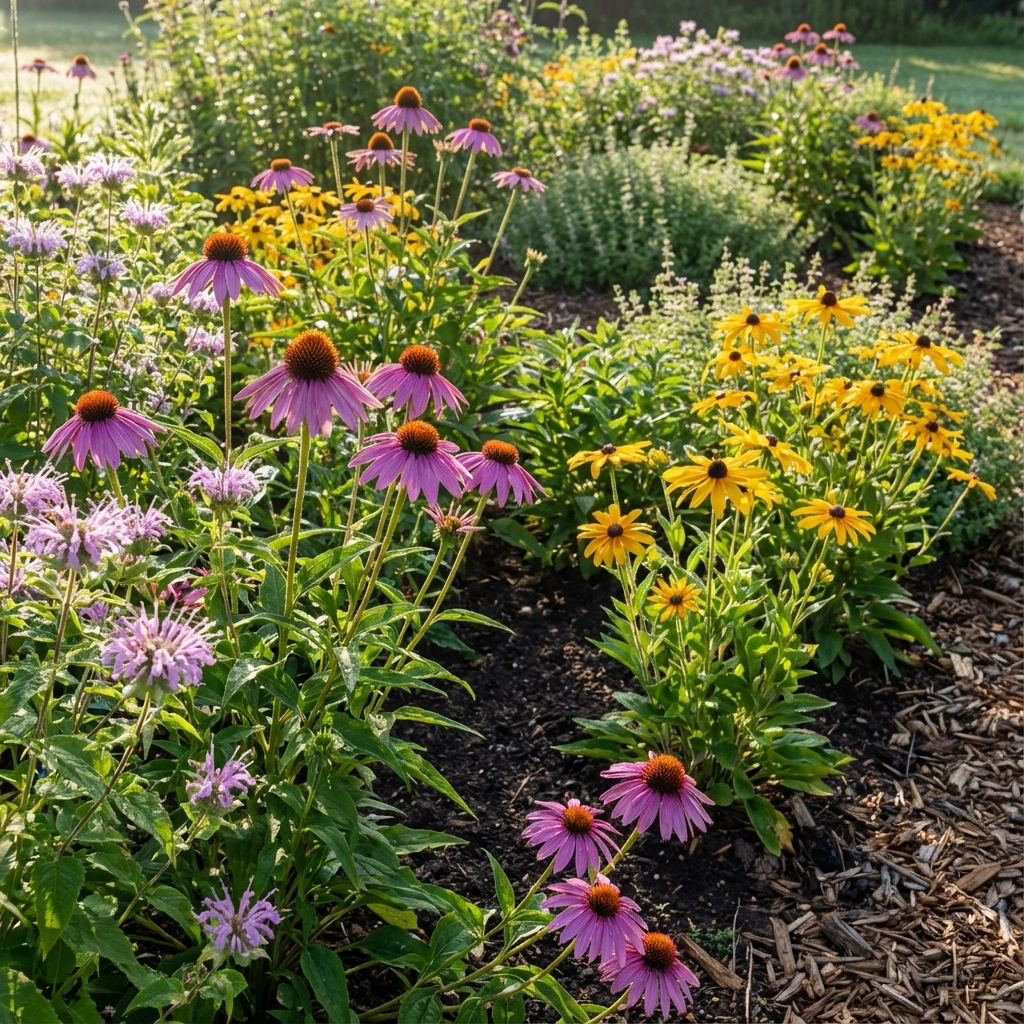
More importantly, native plants develop natural resistance to local pests and diseases. This dramatically reduces: and often eliminates: the need for chemical treatments. A typical Ohio property spends $300-800 annually on pest control and fungicides for non-native plants. Native landscapes typically require less than $100 in targeted treatments.
Native species also support local pollinators and wildlife, creating a self-sustaining ecosystem that requires minimal intervention. This isn't just environmentally responsible: it's financially smart. When your landscape works with natural processes instead of against them, maintenance becomes occasional guidance rather than constant crisis management.
Key native species for Ohio: Wild Columbine, Ohio Goldenrod, New England Aster, and native grasses like Little Bluestem create stunning displays while requiring minimal care once established.
2. Drought-Tolerant Design: Stop Fighting Ohio's Weather Patterns
Ohio experiences both drought conditions and excessive rainfall, often within the same growing season. Traditional landscapes struggle with this variability, requiring constant adjustments and interventions. Drought-tolerant design creates landscapes that thrive regardless of precipitation patterns.
Drought-tolerant plants store water in specialized tissues, allowing them to survive weeks without irrigation. This doesn't mean creating a desert landscape: many drought-tolerant species produce vibrant flowers and lush foliage while using 70% less water than traditional landscaping.
The financial impact extends beyond water bills. Drought-stressed traditional plants become susceptible to pests and diseases, creating expensive treatment cycles. Drought-tolerant landscapes maintain consistent health and appearance without this vulnerability.
Strategic plant placement amplifies these benefits. Grouping plants with similar water needs prevents overwatering some areas while underwatering others. This "hydrozoning" approach can reduce irrigation costs by 40-60% while improving overall plant health.
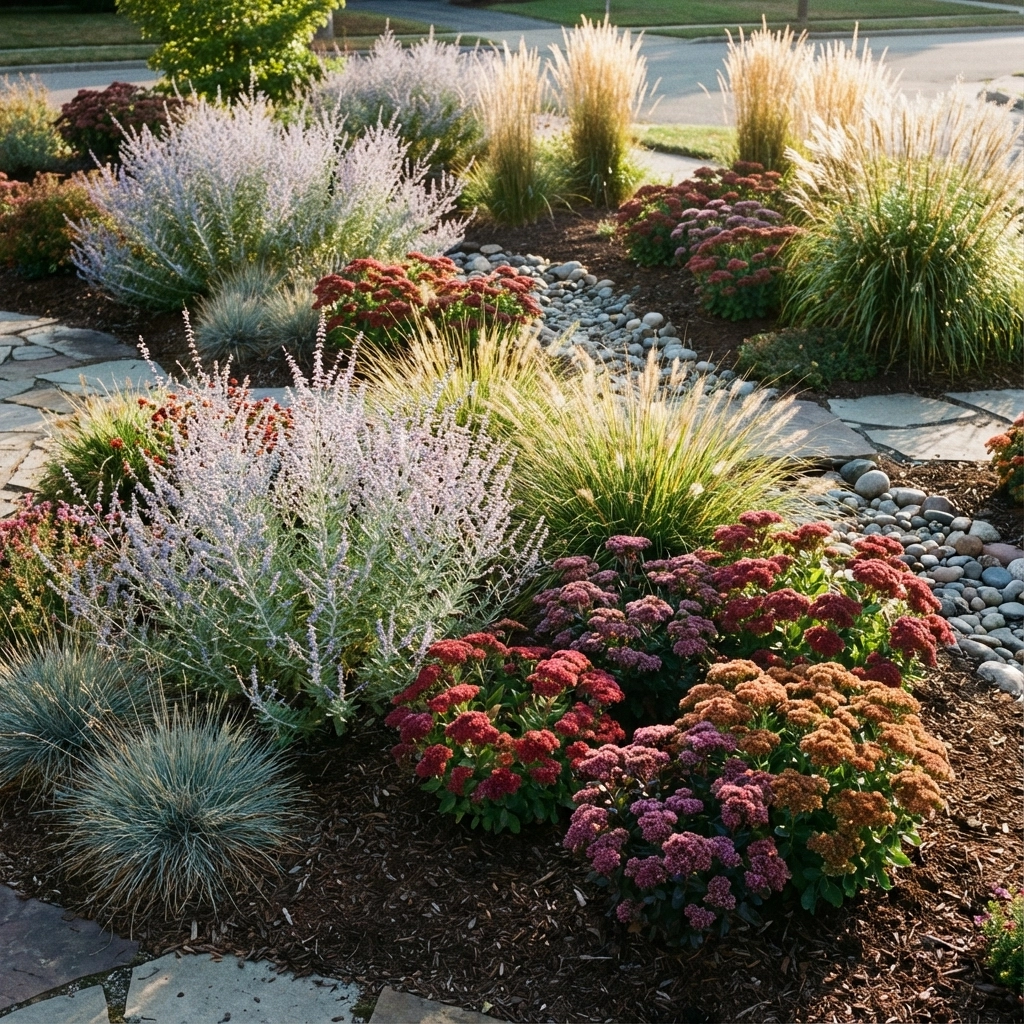
Top performers for Ohio: Sedum varieties, Russian Sage, Ornamental grasses, and Catmint provide color and texture while thriving in drought conditions.
3. Rainwater Harvesting: Turn Weather Into a Resource
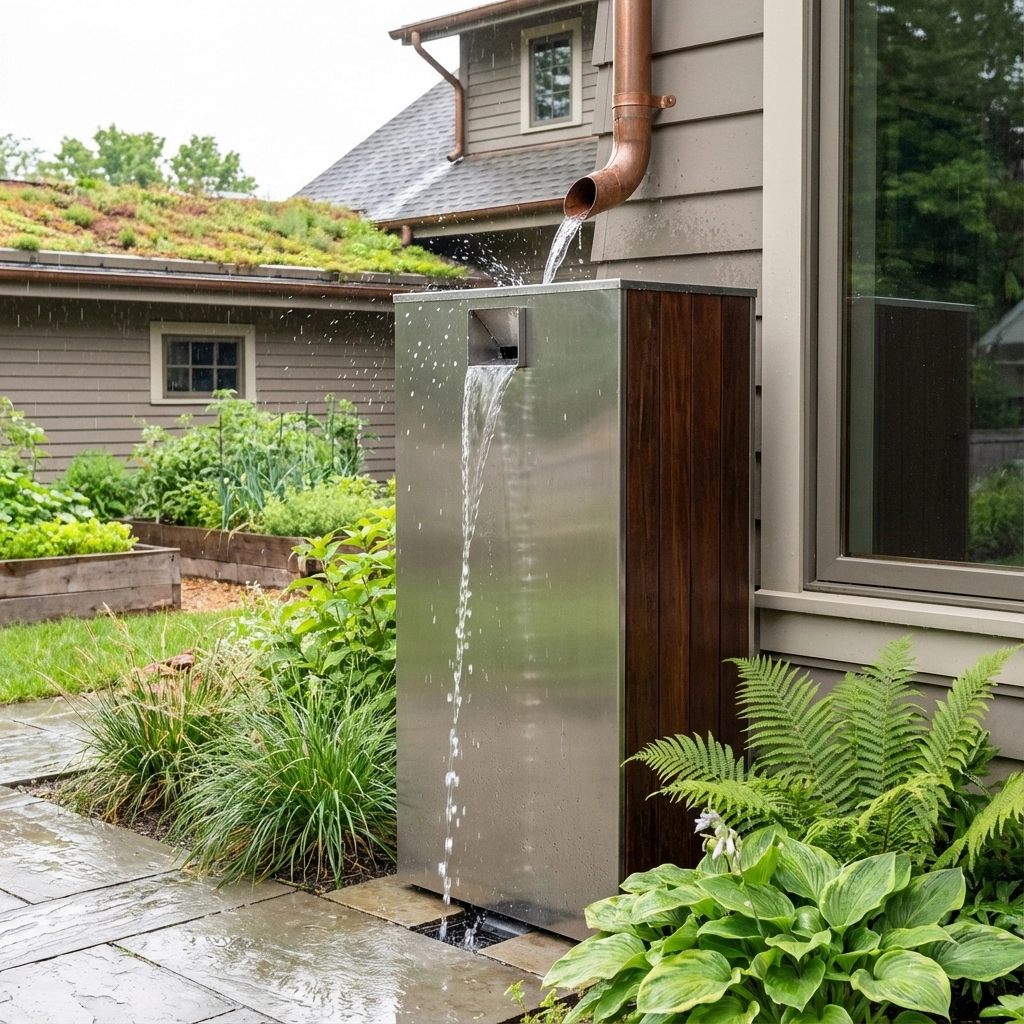
Instead of paying for water while managing runoff problems, rainwater harvesting systems capture free irrigation water while reducing stormwater management costs. This dual benefit makes rainwater harvesting one of the most cost-effective sustainable landscaping investments.
A basic rain barrel system costs $100-200 but can provide 600-1,000 gallons of irrigation water monthly during growing season. For larger properties, cistern systems capture enough water to eliminate irrigation costs entirely during normal precipitation years.
Beyond direct water savings, rainwater harvesting reduces erosion and flooding problems that create expensive landscape repairs. Capturing runoff protects plant beds, prevents soil loss, and eliminates the need for drainage improvements that can cost thousands of dollars.
Modern systems integrate seamlessly with automated irrigation, providing convenience while delivering savings. Smart controllers monitor soil moisture and weather forecasts, using harvested rainwater efficiently while avoiding overwatering that creates fungal problems.
The maintenance requirements are minimal: annual cleaning and occasional system checks. Compare this to the ongoing costs of municipal water for irrigation, which typically ranges from $200-800 annually for average-sized properties.
4. Integrated Pest Management: Precision Instead of Broadcast Treatment
Traditional landscape maintenance applies fertilizers and pesticides across entire properties regardless of actual need. This shotgun approach wastes products, creates environmental problems, and costs significantly more than targeted treatments.
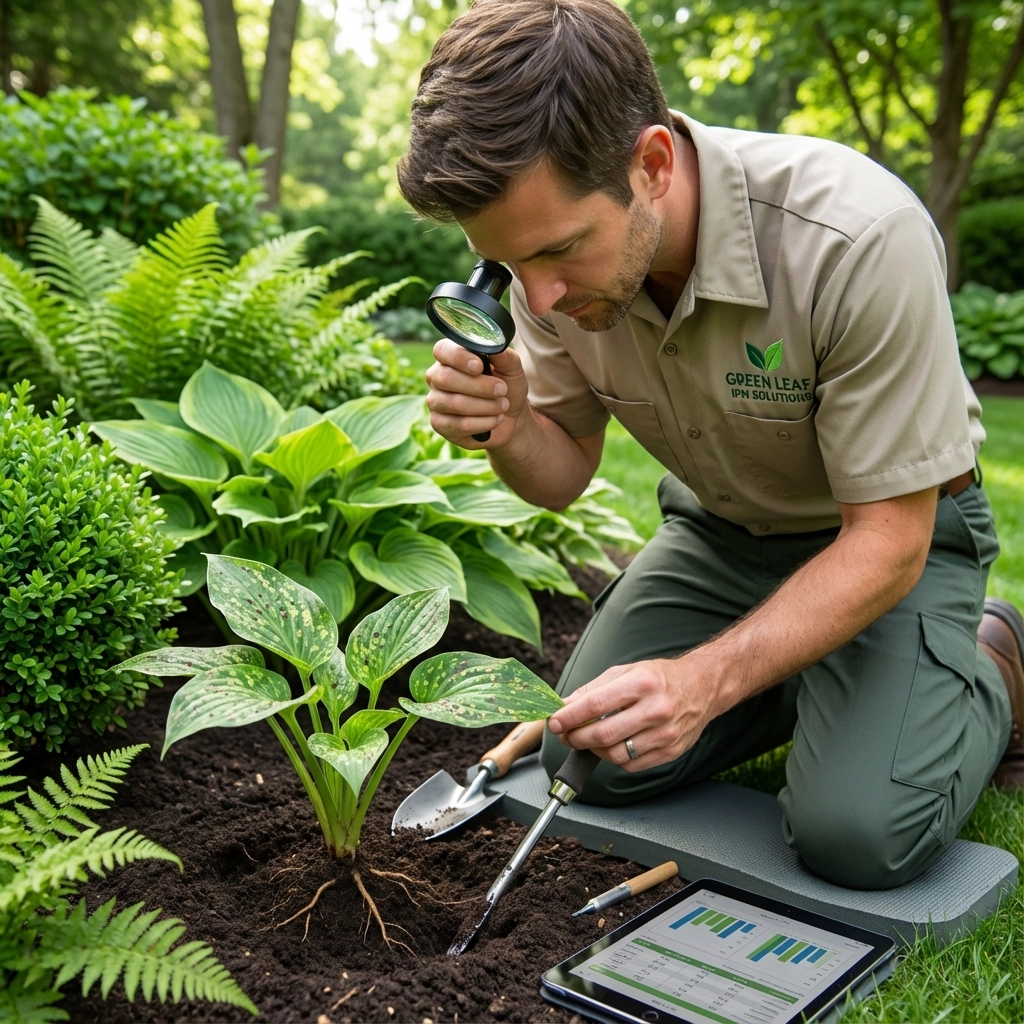
Integrated Pest Management (IPM) starts with regular inspection to identify problems before they become expensive disasters. Early detection allows for spot treatments that cost 60-80% less than broadcast applications while achieving better results.
IPM relies on soil testing to determine actual nutrient needs instead of applying generic fertilizer blends. Most Ohio soils need specific amendments rather than broad-spectrum feeding. Targeted soil improvement costs less upfront and creates healthier growing conditions that prevent future problems.
Biological pest control methods work with natural predator relationships to manage harmful insects. Encouraging beneficial insects reduces the need for chemical interventions while creating more stable, resilient landscapes. Simple habitat improvements like native flowering plants can eliminate aphid problems naturally.
When chemical treatments are necessary, IPM uses the most targeted products for specific problems. This precision approach reduces product costs while minimizing environmental impact and preventing the resistance problems that develop from overuse of broad-spectrum treatments.
Practical IPM steps: Monthly walk-through inspections, annual soil testing, beneficial insect habitat creation, and targeted treatments based on actual problems rather than calendar scheduling.
5. Strategic Tree Placement: Landscape Features That Pay You Back
Trees represent the ultimate sustainable landscape investment: they increase property value while delivering ongoing utility cost reductions. Strategic placement maximizes these benefits while creating attractive focal points that require minimal maintenance once established.
Deciduous trees planted on the south and west sides of buildings provide summer cooling while allowing winter sunlight after leaves drop. This natural climate control can reduce air conditioning costs by 15-35% during hot Ohio summers. The larger the tree at maturity, the greater the energy savings.
Evergreen windbreaks on the north and northwest sides reduce heating costs by blocking winter winds. A properly designed windbreak can cut heating bills by 10-25% while creating privacy and noise reduction benefits.
Tree placement also creates microclimates that benefit other plants. Strategic shade allows you to grow a wider variety of species while reducing water needs for understory plantings. This diversity creates more interesting landscapes while reducing maintenance requirements.
The key is choosing appropriate species for each location. Fast-growing trees provide quick benefits but may require more maintenance. Slower-growing species like Oak and Maple require patience but deliver decades of benefits with minimal care.
Best trees for Ohio energy savings: Sugar Maple and Red Oak for shade, Eastern White Pine and Norway Spruce for windbreaks, with consideration for mature size and root systems.
Beyond Individual Solutions: Creating Integrated Systems
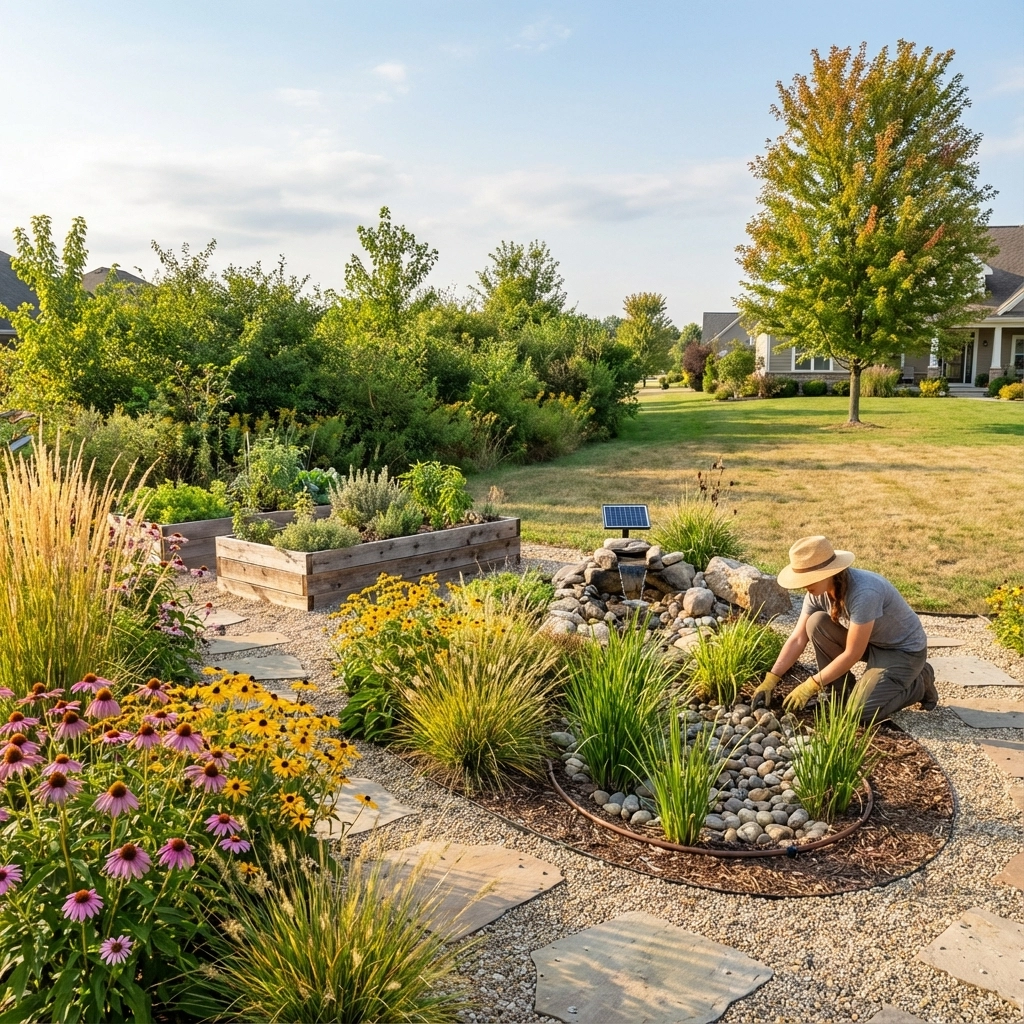
The most successful sustainable landscapes combine multiple strategies into integrated systems. Native plants in rain gardens capture stormwater while supporting beneficial insects for natural pest control. Drought-tolerant ground covers reduce mowing while preventing erosion around rainwater harvesting systems.
This systems approach multiplies the benefits of individual sustainable practices while creating landscapes that become more attractive and lower-maintenance over time. Traditional landscapes deteriorate without constant intervention: sustainable landscapes improve with age as plants establish and natural processes take over.
The initial investment in sustainable landscaping typically pays for itself within 3-5 years through reduced maintenance costs, water savings, and energy benefits. After the payback period, these landscapes continue delivering savings for decades while appreciating in value as mature plantings become established.
Making the Transition
Converting existing landscapes to sustainable systems doesn't require complete replacement. Gradual transitions allow you to spread costs over multiple seasons while learning what works best for your specific conditions. Start with the highest-maintenance areas that consume the most resources and expand successful strategies to other zones.
Professional design helps identify the most cost-effective improvements for your specific property and goals. Sustainable landscaping isn't about following generic formulas: it's about creating customized solutions that work with your site's unique characteristics and your maintenance preferences.
Ready to stop wasting money on high-maintenance landscaping? LeafStone Landscapes specializes in sustainable design solutions that reduce long-term costs while creating beautiful, resilient outdoor spaces. Contact us for a consultation and discover how sustainable landscaping can improve your property while protecting your budget.