Native Plants vs. Traditional Landscaping: Which Is Better For Your Northeast Ohio Property?
If you're a Northeast Ohio property owner wrestling with landscaping decisions, you've probably found yourself stuck between two camps: the "native plant" advocates singing praises of local flora, and the "traditional landscaping" folks who swear by that classic manicured lawn look.
Both sides make compelling arguments, but which approach actually makes the most sense for your specific situation? Let's dig into the real pros and cons of each option so you can make an informed decision that works for your property, budget, and lifestyle.
Understanding Native Plant Landscaping
Native plants are species that naturally occurred in Northeast Ohio before European settlement. Think wild bergamot, purple coneflower, Ohio spiderwort, and native oaks. These plants have spent thousands of years adapting to our region's clay soils, unpredictable weather, and specific growing conditions.
The Native Plant Advantage
Lower Maintenance Costs
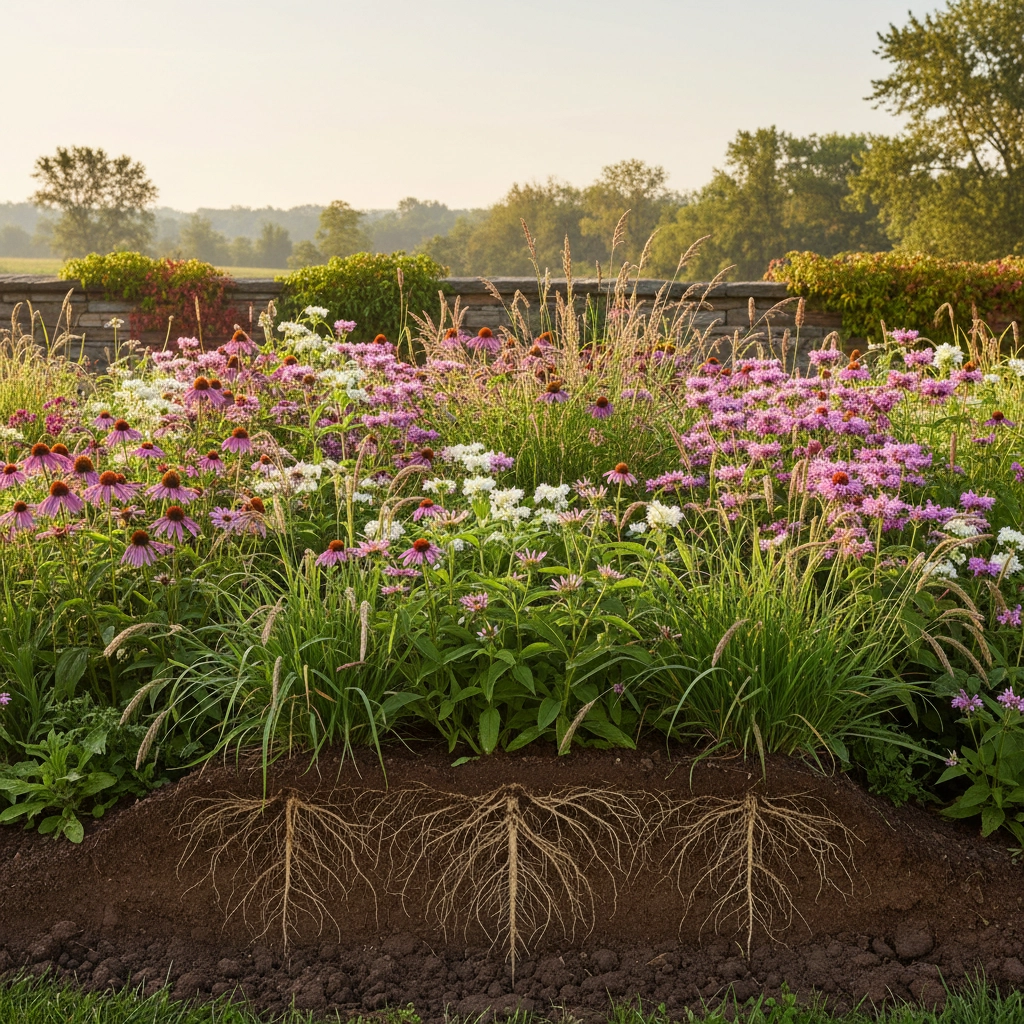
Here's where native plants really shine. Once established, they require significantly less water, fertilizer, and general babying than traditional landscapes. Native plants have deep root systems: we're talking 5-10 feet deep compared to turf grass's measly 4 inches. This means they can find their own water during dry spells and don't need constant irrigation.
Built-in Weather Tolerance
Northeast Ohio weather is notorious for its mood swings. Native plants handle these extremes like champs because they've evolved alongside our climate. They can take the late spring frosts, summer droughts, and harsh winters without missing a beat.
Environmental Benefits
Native plants are ecosystem powerhouses. A single native oak can support over 900 species of moths and butterflies, which then feed local bird populations. Your landscape becomes a mini wildlife habitat rather than a biological desert.
Better Soil Health
Those deep native plant roots work like natural soil aerators, reducing compaction and improving drainage. This is huge for Northeast Ohio properties dealing with clay soil issues.
Native Plant Challenges
Patience Required
Native plants often take a year or two to really establish and show their full potential. If you need instant gratification, this might test your patience.
Aesthetic Learning Curve
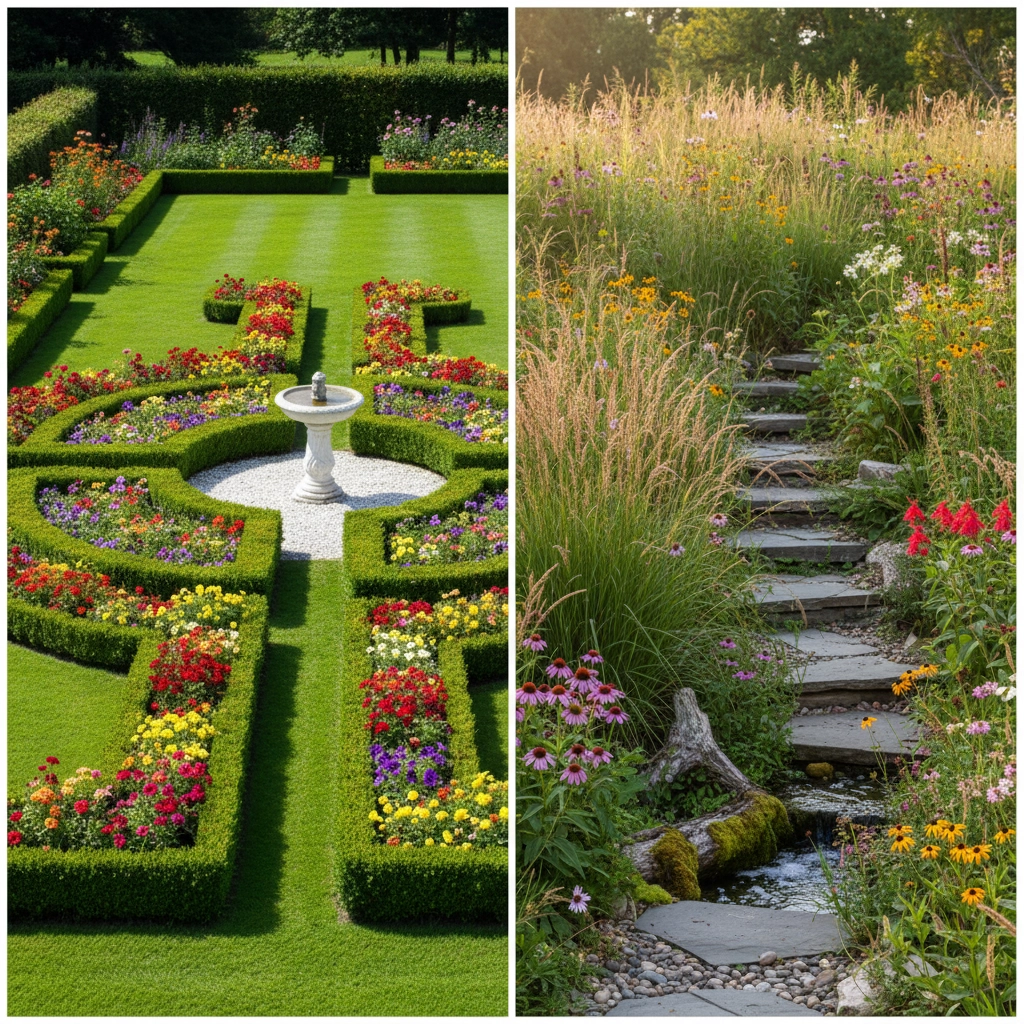
Let's be honest: native landscapes look different from the traditional suburban ideal. They're more textured, seasonal, and naturalistic. Some neighbors (and HOAs) might need time to warm up to the look.
Limited Availability
Finding quality native plants requires more research than hitting up your local big-box store. You'll likely need to work with specialized nurseries or knowledgeable landscapers.
The Traditional Landscaping Approach
Traditional landscaping centers around turf grass lawns complemented by popular ornamental plants like hostas, day lilies, and non-native shrubs. It's the approach most of us grew up with and associate with "proper" landscaping.
Traditional Landscaping Benefits
Immediate Curb Appeal
Traditional landscapes deliver instant, familiar beauty. A well-maintained lawn provides that clean, manicured look that most people associate with property value and neighborhood standards.
Predictable Results
You know exactly what you're getting with traditional landscaping. The grass will be green (with proper care), the plants will look like the pictures, and the overall aesthetic will match neighborhood expectations.
Widespread Expertise
Finding contractors, maintenance crews, and advice for traditional landscapes is easy. Most landscaping companies are built around maintaining turf grass and common ornamental plants.
Traditional Landscaping Drawbacks
High Maintenance Demands
Here's where things get expensive. Turf grass requires regular fertilization, frequent watering, pest control, and seasonal treatments to maintain that perfect appearance. We're talking about significant ongoing costs and time investment.
Resource Intensive
Traditional lawns are essentially thirsty, hungry monocultures. They need constant inputs of water and synthetic fertilizers to stay healthy, especially during Northeast Ohio's hot, dry summers.
Limited Environmental Value
Turf grass provides minimal benefit to local wildlife and ecosystems. It's essentially a green carpet rather than a functioning part of the natural environment.
Head-to-Head Comparison
Cost Analysis
Initial Investment: Traditional landscaping often costs less upfront due to widely available materials and installation expertise. Native plant projects may require more specialized knowledge and sourcing.
Long-term Costs: Native plants win this category hands down. After the establishment period, maintenance costs drop dramatically. Traditional lawns require ongoing investments in fertilizer, water, treatments, and labor.
Maintenance Requirements
Native plants: Minimal weeding, occasional pruning, no fertilizing or irrigation needed after establishment.
Traditional landscaping: Weekly mowing, regular fertilization, irrigation management, pest control, seasonal treatments.
Environmental Impact
Native plants create positive environmental impact through improved soil health, stormwater management, and wildlife habitat creation.
Traditional lawns consume significant water resources and often require chemical treatments that can impact local water quality.
Seasonal Interest
Native plants provide changing beauty throughout the seasons: spring blooms, summer textures, fall colors, and winter structure.
Traditional lawns maintain consistent appearance but offer limited seasonal variation beyond green-to-brown transitions.
Making the Right Choice for Your Property
Choose Native Plants If:
- You want lower long-term maintenance costs
- Environmental sustainability matters to you
- You're dealing with drainage or soil issues
- You appreciate naturalistic beauty
- You want to support local wildlife
Stick with Traditional If:
- Neighborhood standards require conventional appearances
- You need uniform, durable surfaces for activities
- You prefer predictable, manicured aesthetics
- You have the budget for ongoing high maintenance
Consider a Hybrid Approach
Many successful Northeast Ohio landscapes combine both approaches. Use native plants in less visible areas, rain gardens, and naturalized zones while maintaining traditional turf in high-visibility and high-use areas. This strategy captures the benefits of both approaches while meeting practical needs.
The Bottom Line
For most Northeast Ohio properties, native plants offer compelling advantages that align with both economic and environmental goals. The initial learning curve and establishment period pay off with dramatically reduced maintenance demands and increased property resilience.
However, the "right" choice depends on your specific situation, priorities, and constraints. The key is making an informed decision based on your actual needs rather than assumptions about what landscaping "should" look like.
Ready to Explore Your Options?
Whether you're leaning toward native plants, traditional landscaping, or a custom hybrid approach, professional guidance can help you make the best decision for your specific property and goals.
At LeafStone Landscapes, we've helped hundreds of Northeast Ohio property owners navigate these decisions and create landscapes that work for their lifestyles and budgets. Contact us today to discuss your landscaping goals and explore which approach makes the most sense for your property.
Don't let landscaping decisions overwhelm you: let's work together to create an outdoor space you'll love for years to come.